Hemorrhoids Herbal Relief from the Pagoda Tree
If you’ve ever searched:
“What do hemorrhoids look like?”
“Why do I have small piles but no pain?”
“Epsom salt for hemorrhoids — does it work?”
“Is laser hemorrhoid surgery my only option?”
You’re not alone.
Hemorrhoids (also called piles) affect millions of people - men and women - yet most suffer in silence, trying table salt baths, ointments, or even considering laser for hemorrhoids before understanding what’s really happening.
There is another path. A gentler one. A botanical one.
And it begins with a tree you’ve likely never heard of:
The Japanese Pagoda Tree: Sophora japonica.
What Do Hemorrhoids (Small Piles) Look Like?
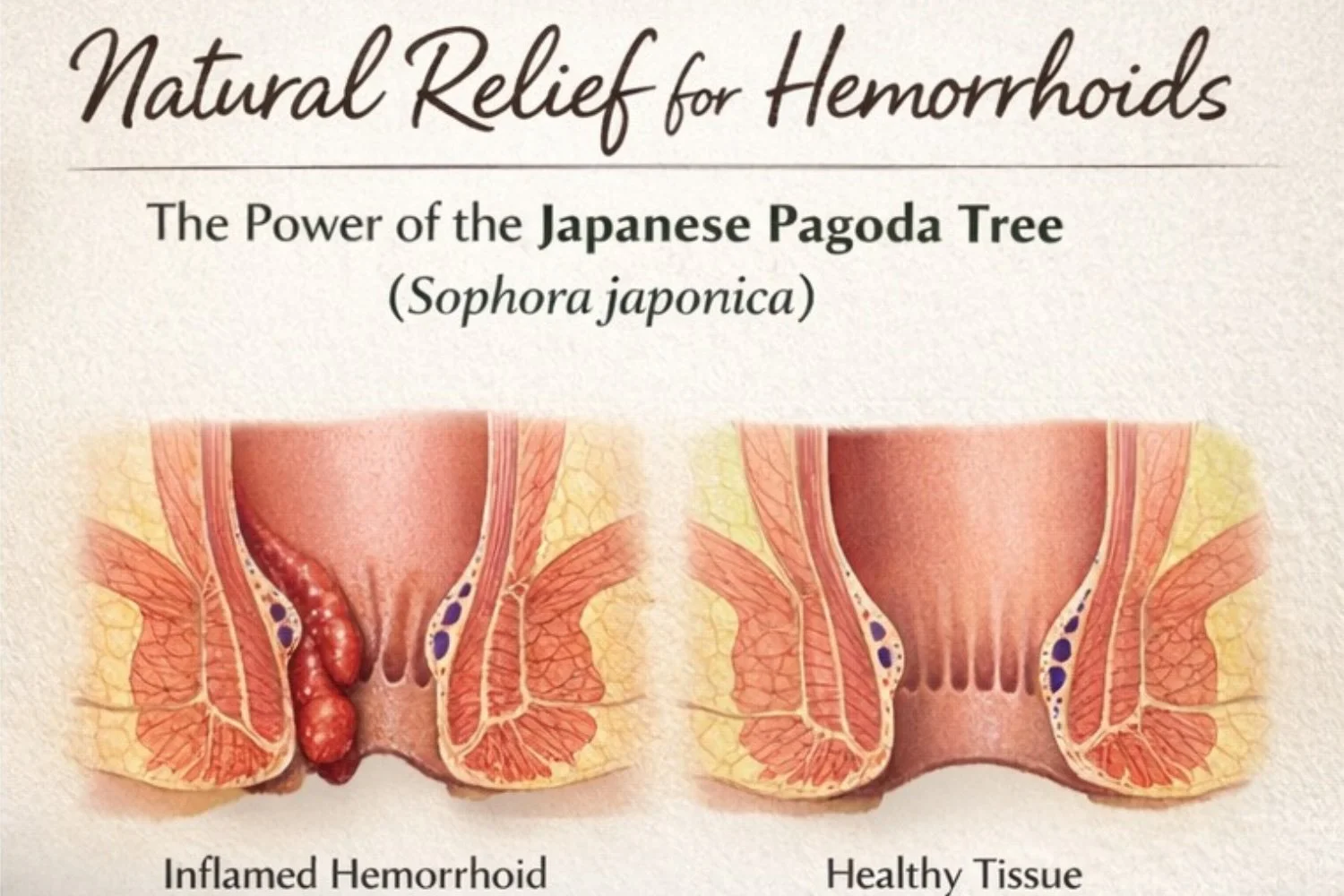
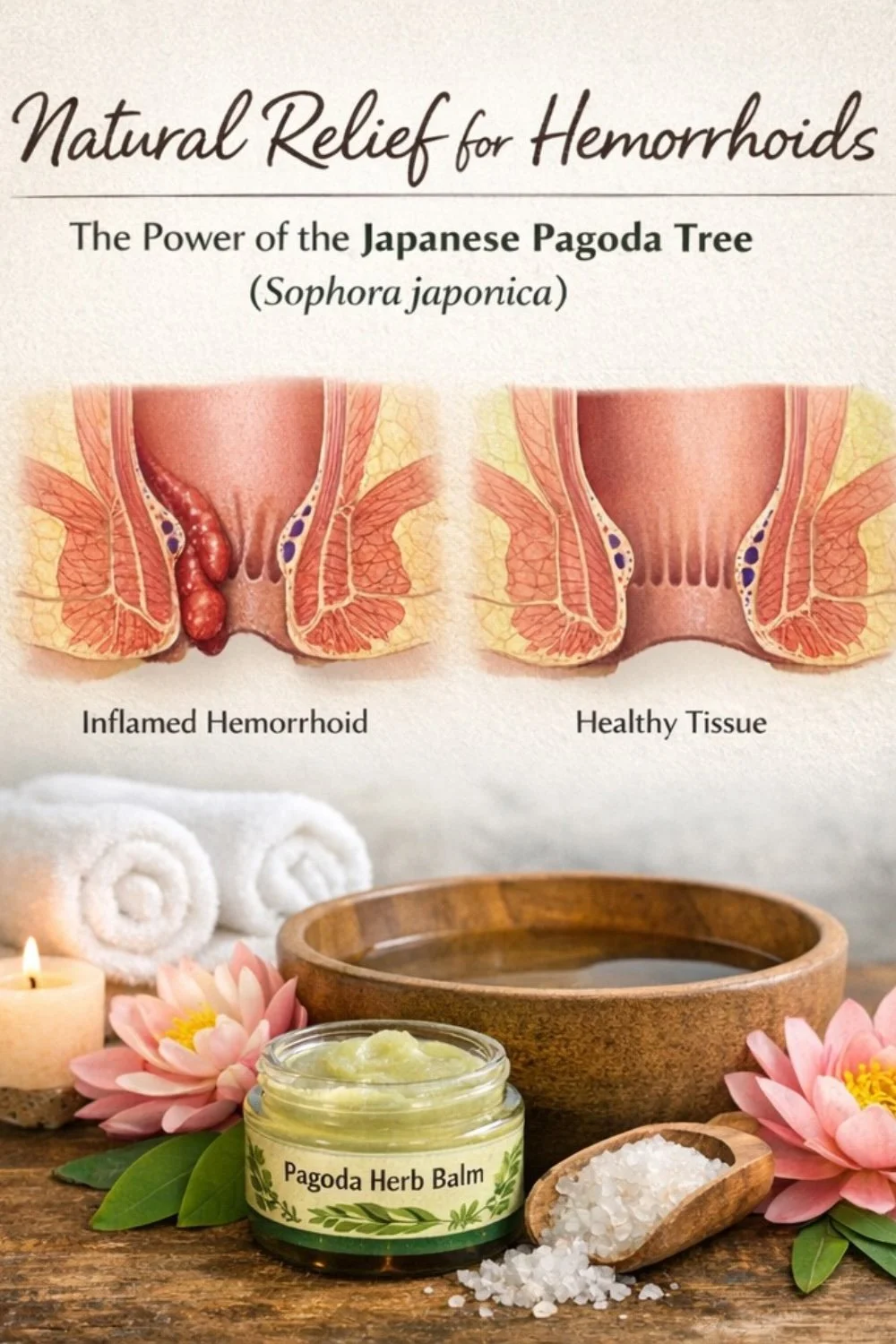
Hemorrhoids are swollen veins in the lower rectum or around the anus.
They may appear as:
Small soft lumps (small piles)
Slight swelling after bowel movements
Itching or irritation
A feeling of fullness
Occasional bleeding
Or surprisingly… hemorrhoids with no pain
Yes — hemorrhoids no pain is extremely common, especially in early stages. This is why many people ignore them until they worsen.
You may notice them only when wiping or bathing.
Why Do Hemorrhoids Form?
Hemorrhoids are a circulation and inflammation issue.
They form due to:
Straining during bowel movements
Sitting for long periods
Pregnancy
Poor venous return
Chronic constipation
Excess pressure in the rectal veins
This is important because it tells us something:
Hemorrhoids are not just a surface skin issue.
They are a vascular (vein) and inflammatory condition.
This is why many common solutions only soothe temporarily.
Epsom Salt or Table Salt Bath for Hemorrhoids: Do They Work?
Many people try natural remedies for hemorrhoids such as:
Epsom salt for hemorrhoids
Table salt bath for hemorrhoids
These baths can:
Reduce swelling temporarily
Soothe irritation
Improve circulation briefly
But they do not address the fragility of the blood vessels or the inflammation inside the tissue.
This is where Sophora japonica becomes remarkable.
The Pagoda Tree (Sophora Japonica Plant): A Traditional Vascular Healer
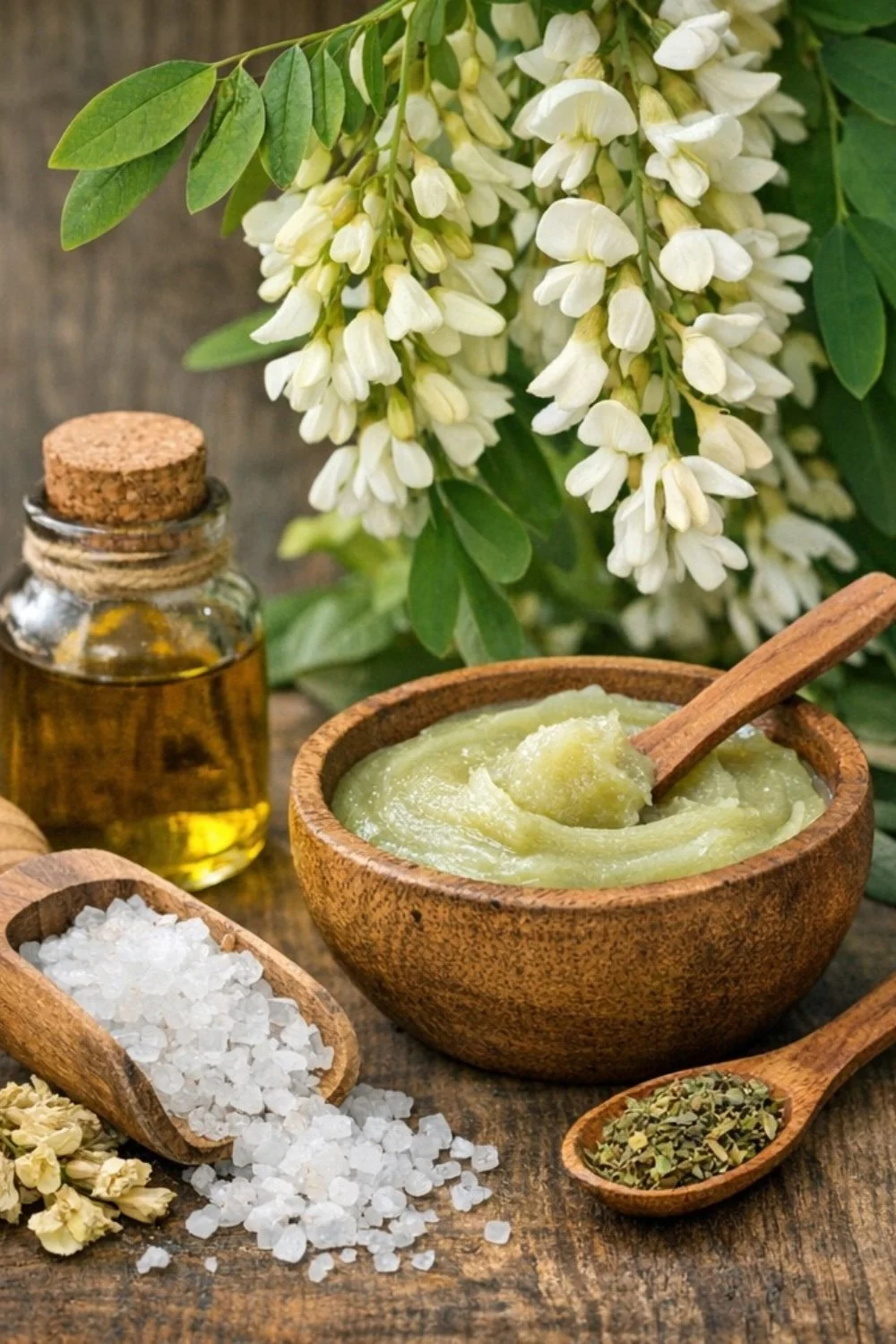
The Japanese pagoda tree (Sophora japonica, also called Japonica Sophora) has been used for centuries in Eastern herbal medicine specifically for:
Hemorrhoids
Varicose veins
Capillary fragility
Inflammatory vascular conditions
Rectal bleeding
Venous congestion
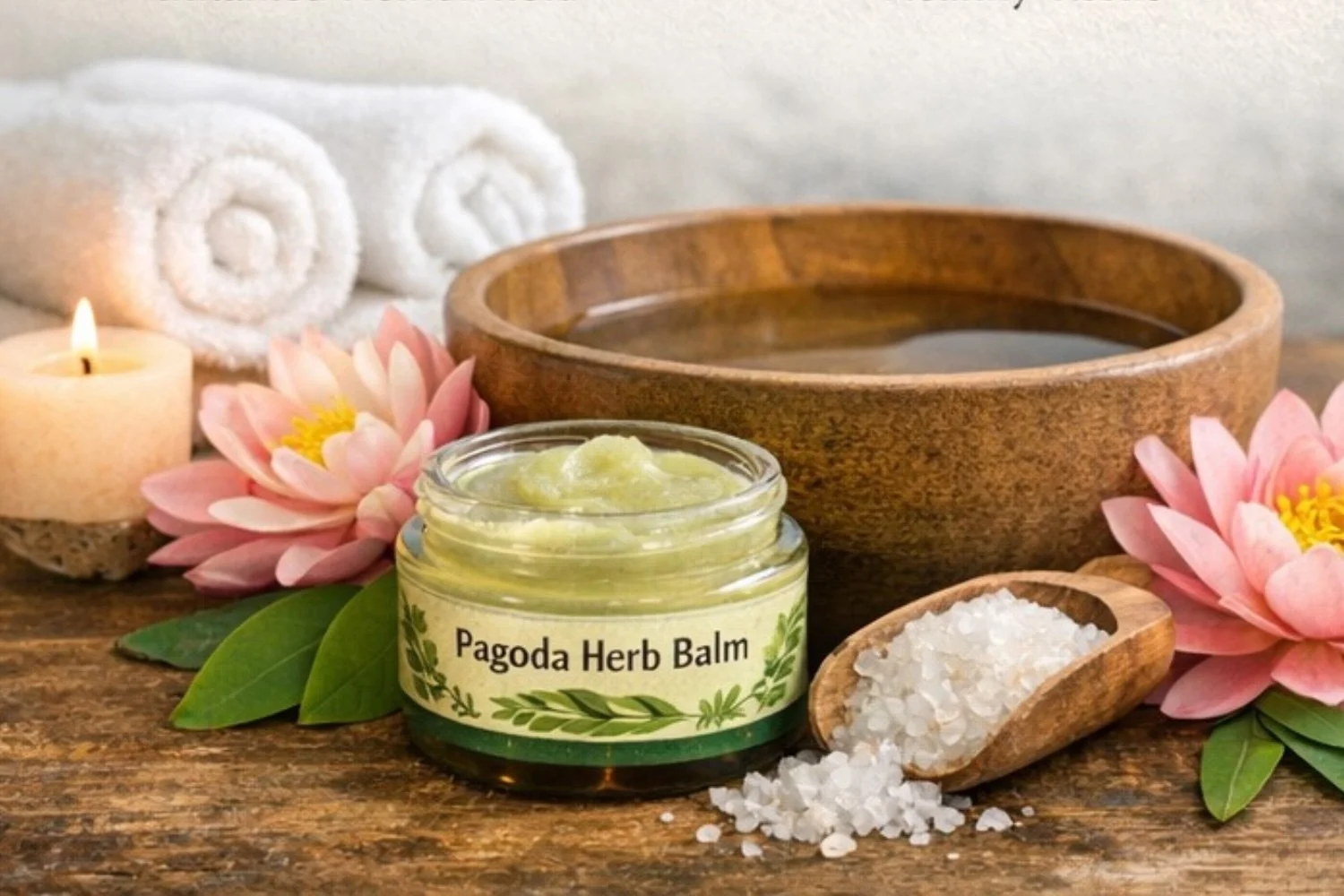
here is the best herbal hemorrhoid ointment on the market —> Pagoda Herb Balm
Why?
Because the plant is rich in rutin and quercetin - powerful bioflavonoids known to:
Strengthen blood vessel walls
Reduce inflammation
Improve venous tone
Support tissue repair
This is exactly what hemorrhoids need.
Not numbing.
Not masking.
Restoration.
Why Many People End Up Considering Laser Hemorrhoid Surgery
When hemorrhoids persist, people are often told the next step is:
Laser hemorrhoid surgery
Laser for hemorrhoids
These procedures remove or shrink the hemorrhoid, but they do not always correct the underlying vascular weakness that caused it.
Many people wish they had known earlier that herbal vascular support could have helped before reaching that stage.
Male Piles and the Silence Around It
Search trends show that male piles is a highly searched term.
Men often delay care because:
There is embarrassment
There is no pain at first
It feels minor
They try salt baths or over-the-counter creams
But hemorrhoids left unattended often worsen quietly.
Gentle, consistent care early makes a profound difference.
What to Look for in a Hemorrhoid Relief Ointment
A true haemorrhoid relief ointment should:
Support vein integrity
Reduce inflammation
Soothe irritation
Promote tissue repair
Be safe for frequent use
Work with the body, not just numb it
This is exactly why Pagoda Herb Balm was formulated around Sophora japonica.
Pagoda Herb Balm: A Botanical Approach to Hemorrhoid Care
Pagoda Herb Balm is crafted with the wisdom of the Sophora japonica plant: the same Japanese pagoda tree long used for vascular and rectal conditions.
It is designed to:
Calm irritation
Support healthy circulation in the area
Strengthen delicate tissues
Encourage natural recovery
Provide comfort without harsh chemicals
It pairs beautifully with warm baths (yes, even epsom salt soaks) as part of a gentle healing ritual.
This is not an emergency fix.
This is restorative care.
A Gentle Ritual for Small Piles or Early Hemorrhoids
Warm sitz bath with epsom salt
Pat dry gently
Apply Pagoda Herb Balm
Repeat daily
This simple ritual supports the body’s own healing process.
The Gift of the Japanese Pagoda Tree
Most people will never know that the answer to their discomfort has been growing for centuries on the Japanese pagoda tree.
But now you do.
And sometimes, relief begins not with surgery, not with chemicals; but with returning to plant intelligence.
